
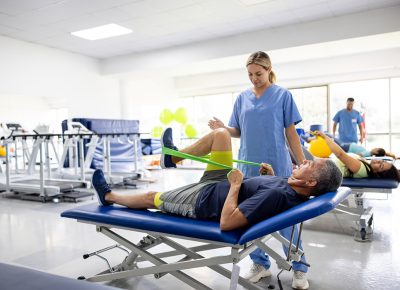
Transitioning to civilian life after military service involves adapting to many changes, and physical health is often at the top of that list. Years of rigorous training, carrying heavy equipment, and enduring high-impact environments can take a profound toll on the human body. Because of these intense operational demands, specialized Physical Therapy for Veterans has emerged as a vital discipline in modern healthcare. This targeted approach focuses on the unique biomechanical and neurological challenges that former service members face daily.
Standard rehabilitation protocols are not always sufficient to address the complex layers of injury sustained during active duty. Treating these conditions requires a deep understanding of how repetitive stress alters joint mechanics and movement patterns over time. By exploring the science behind targeted rehabilitation, individuals can better understand their recovery options. This guide breaks down the core physical challenges associated with military service and the proven therapeutic modalities used to overcome them.
Understanding the Unique Physical Demands of Military Service
Service members subject their bodies to extreme forces that most civilian occupations never encounter. Carrying loads that frequently exceed fifty pounds alters the natural curvature of the spine and changes a person’s center of gravity. Over months and years, these altered biomechanics lead to chronic muscle imbalances. The body compensates for the heavy weight by overworking certain muscle groups while neglecting others.
This constant state of physical stress accelerates the wear and tear on primary load-bearing joints like the knees, hips, and lower back. Even after the uniform is taken off, these compensatory movement patterns often remain hardwired into the nervous system. Without proper intervention, these ingrained habits can cause ongoing discomfort and limit overall mobility in daily civilian life. Addressing these specific patterns is a cornerstone of effective rehabilitation.
Chronic Orthopedic and Musculoskeletal Wear
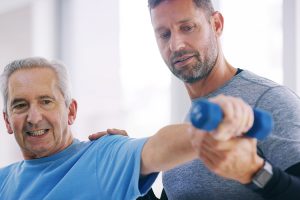 Orthopedic injuries are among the most common physical complaints reported by former military personnel. Conditions such as osteoarthritis, rotator cuff tears, and degenerative disc disease frequently surface at earlier ages compared to the general population. These issues typically stem from repetitive micro-traumas sustained during daily drills, airborne operations, or prolonged marches over uneven terrain. Over time, cartilage breaks down, and joint spaces narrow, leading to inflammation and stiffness.
Effective treatment for these musculoskeletal issues goes beyond simple rest and medication. Clinical rehabilitation focuses on restoring joint mobility through targeted manual therapy and soft tissue mobilization. Once the joint has regained a healthy range of motion, therapeutic exercises are introduced to strengthen the surrounding stabilizing muscles. This comprehensive approach helps absorb shock during physical activity and protects the joint from further degradation.
Neurological Impacts and Traumatic Brain Injuries
In addition to orthopedic strain, many service members are exposed to blast waves, vehicular accidents, or concussive impacts. These events can lead to mild or severe traumatic brain injuries that have lasting neurological consequences. Symptoms might include chronic headaches, chronic fatigue, muscle weakness, and disrupted motor control. The nervous system struggles to communicate effectively with the muscular system, leading to uncoordinated movements.
Neurological rehabilitation focuses on neuroplasticity, which is the brain’s ability to reorganize itself by forming new neural connections. Therapists utilize highly specific, repetitive movement exercises to retrain the brain and restore diminished motor pathways. This type of therapy requires patience and precision, as the goal is to rebuild the foundational communication lines between the brain and the body.
Core Components of Physical Therapy for Veterans
A comprehensive approach to Physical Therapy for Veterans must include diverse modalities to treat both the physical and neurological spectrums of injury. A single treatment method is rarely sufficient for multi-layered pain conditions. Clinicians often blend land-based exercises, manual manipulation, and specialized equipment to achieve the best functional outcomes. Understanding how these distinct therapies work can help patients make informed decisions about their healthcare.
Modern clinics utilize a variety of advanced therapeutic techniques tailored to the individual’s specific injury history. By breaking down the recovery process into manageable phases, therapists can safely push the body to adapt and heal. Two of the most highly effective modalities for complex service-related injuries are vestibular and aquatic therapies.
Vestibular Rehabilitation for Balance and Spatial Awareness
The vestibular system, located within the inner ear, is primarily responsible for maintaining balance and spatial orientation. Exposure to loud blasts or head trauma can easily damage the delicate structures of this system. When this occurs, individuals frequently experience intense vertigo, dizziness, and a dangerous susceptibility to falls. These symptoms can be highly disruptive, making simple tasks like driving or walking down stairs feel incredibly daunting.
Vestibular therapy involves a series of specialized exercises designed to promote central nervous system compensation. Clinicians use habituation exercises to repeatedly expose patients to movements that trigger dizziness, gradually desensitizing the brain to the stimulus. Additionally, gaze stabilization techniques help patients maintain visual focus while their head is in motion. Over time, these interventions significantly improve postural stability and reduce vertigo.
The Science and Benefits of Aquatic Therapy
For individuals dealing with severe joint pain, arthritis, or weight-bearing restrictions, traditional land-based exercises can cause painful flare-ups. Aquatic therapy provides an ideal environment for low-impact rehabilitation. The natural buoyancy of water reduces the gravitational pull on the body, effectively offloading pressure from the spine and major joints. This allows patients to perform movements in the water that would be impossible or highly painful on land.
Furthermore, water provides hydrostatic pressure, which acts like a full-body compression sleeve. This pressure naturally reduces joint swelling and promotes better cardiovascular circulation. The viscosity of the water also offers gentle, multidirectional resistance, helping to build muscle strength safely. Aquatic routines are widely considered an essential pillar of Physical Therapy for Veterans due to these immense therapeutic properties.
Navigating Post-Surgical and Acute Injury Recovery
Many individuals require surgical intervention to repair extensive damage sustained during their service years. Procedures like joint replacements, spinal fusions, and ligament reconstructions require meticulous post-operative care. Post-surgical rehabilitation focuses on minimizing scar tissue formation and safely restoring range of motion. Adhering to strict clinical protocols ensures that the surgical site heals correctly without jeopardizing the integrity of the repair.
Beyond surgeries, former service members often transition into physically demanding civilian careers, putting them at risk for new injuries. Auto and work injury rehabilitation programs are designed to treat these acute traumas while considering the patient’s underlying service-related conditions. A thorough rehabilitation plan will simulate specific workplace duties or recreational activities, ensuring the body is fully prepared for the demands of daily civilian life.
Partnering with Everest Rehab Services for Physical Therapy for Veterans
Finding a clinical team that understands the distinct physical history of former military personnel is crucial for a successful recovery. At Everest Rehab Services, we are dedicated to providing the highest standard of specialized care to help you reclaim your mobility and independence. We recognize that your physical challenges are unique, which is why we do not rely on generic treatment templates. Our expert team takes a holistic, multidisciplinary approach to diagnose the root cause of your pain and functional limitations.
Our state-of-the-art facility is fully equipped to offer a complete spectrum of advanced treatments under one roof. Whether your recovery requires Orthopedic Rehabilitation for chronic joint wear, Neurological Rehabilitation for nerve function, or Vestibular Therapy to restore your balance, our specialists are ready to help. We also proudly feature a dedicated Aquatic Therapy program to provide soothing, low-impact resistance training. From Auto & Work Injury Rehabilitation to advanced Sports Medicine and Post-Surgical Rehabilitation, Everest Rehab Services provides the exact tools you need to heal safely and efficiently.
You do not have to navigate your recovery journey alone or accept chronic pain as a permanent part of your life. Take the first step toward a stronger, healthier future by scheduling a comprehensive evaluation with our dedicated clinical team. Please visit our contact our team page to request your appointment online. To speak directly with our friendly staff and secure your preferred time, call us today at (610) 626-1210.
Frequently Asked Questions of Physical Therapy for Veterans
What makes Physical Therapy for Veterans different from standard therapy?
Physical Therapy for Veterans specifically accounts for the extreme biomechanical stress, heavy load-bearing, and potential high-impact traumas sustained during military service. Clinicians look for specific compensatory movement patterns and prioritize treatments for multi-layered injuries, such as combining orthopedic care with vestibular or neurological therapies.
How does aquatic therapy help with chronic back and joint pain?
Aquatic therapy utilizes the buoyancy of water to support your body weight, which significantly reduces the physical stress placed on your spine and weight-bearing joints. The warm water promotes muscle relaxation and increased blood flow, while the water’s natural resistance allows for safe strength building without the harsh impact of land-based exercises.
What conditions can vestibular rehabilitation treat?
Vestibular rehabilitation is highly effective for treating inner ear disorders that cause dizziness, vertigo, and spatial disorientation. It is commonly used to help patients recovering from concussions, traumatic brain injuries, or whiplash, helping them retrain their central nervous system to maintain proper balance and visual focus.
Is specialized physical therapy necessary after a joint replacement surgery?
Yes, structured post-surgical rehabilitation is critical after operations like joint replacements or ligament repairs. It helps prevent the buildup of stiff scar tissue, safely restores your joint’s full range of motion, and strengthens the surrounding muscles to support the new surgical repair, significantly reducing the risk of future complications.
Can physical therapy help improve my performance in civilian sports and hobbies?
Absolutely. Sports medicine programs within physical therapy focus on optimizing your biomechanics and correcting underlying muscle imbalances. By improving your flexibility, core stability, and movement efficiency, you can safely participate in civilian athletics, weightlifting, or active hobbies with a greatly reduced risk of injury.


