
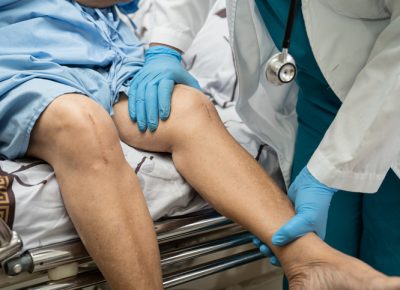
Understanding the importance of physical therapy after knee surgery can help patients achieve better outcomes and return to their normal activities with greater confidence. Whether you have undergone a total knee replacement, ACL reconstruction, meniscus repair, or another orthopedic procedure, physical therapy plays a critical role in helping the knee heal properly.
Knee surgery can be a major step toward reducing pain and restoring mobility, but the procedure itself is only part of the recovery process. In many cases, the real work begins after surgery through rehabilitation.
Following surgery, it is common to experience weakness, swelling, stiffness, reduced range of motion, and difficulty performing everyday activities. A structured rehabilitation program helps address these challenges while supporting a safe and effective recovery. Physical therapy programs typically include individualized treatment plans, therapeutic exercises, manual therapy techniques, and patient education designed to restore movement and function.
Many patients focus on the surgery itself and underestimate the importance of physical therapy after knee surgery. However, rehabilitation is often what determines whether a patient regains full function or continues to struggle with mobility limitations.
The Risks of Skipping or Limiting Therapy
One of the biggest mistakes patients can make is assuming that their knee will naturally return to normal without consistent rehabilitation. While the body does heal over time, recovery without proper therapy can be slower and less complete.
Insufficient rehabilitation may increase the risk of joint stiffness, reduced flexibility, muscle weakness, balance problems, and ongoing discomfort. Patients who do not consistently perform prescribed exercises may find it difficult to regain full range of motion. In some cases, limitations that develop during the early recovery period can persist for months or even years.
Physical therapists frequently work with individuals recovering from orthopedic surgery because movement restrictions and loss of function are common after these procedures. Therapeutic exercise programs, joint mobilization, manual therapy, and balance training are often necessary to help patients restore normal movement patterns.
The experiences shared by many patients recovering from knee surgeries reinforce the importance of physical therapy after knee surgery. Consistent treatment and appropriate progression of exercises can make a significant difference in mobility, strength, and long-term outcomes.
The Benefits of Consistent Physical Therapy
A well-designed rehabilitation program provides numerous benefits throughout the recovery process. Physical therapy helps patients gradually rebuild strength, while protecting healing tissues from unnecessary stress.
Some of the key benefits include:
- Improved range of motion
- Increased muscle strength
- Better balance and coordination
- Reduced pain and stiffness
- Improved walking ability
- Enhanced joint stability
- Lower risk of future injury
- Greater confidence during daily activities
Physical therapists evaluate each patient’s condition and create individualized treatment plans based on their specific surgery, goals, and current abilities. Treatment often combines therapeutic exercises, functional training, soft tissue mobilization, and education to promote recovery and prevent setbacks.
Another reason for the importance of physical therapy after knee surgery is that rehabilitation helps patients safely return to activities they enjoy. Whether the goal is walking comfortably, climbing stairs, exercising, or participating in sports, structured therapy provides a roadmap for achieving those milestones.
Why Personalized Rehabilitation Matters
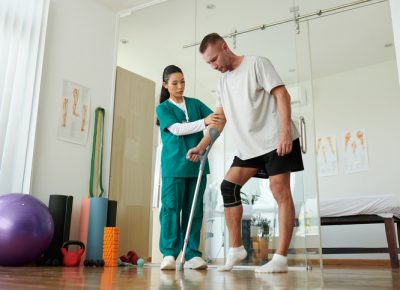 Every knee surgery and every patient are different. Factors such as age, activity level, overall health, and the specific surgical procedure all influence recovery. Because of these differences, personalized rehabilitation is often more effective than a generic exercise program.
Experienced physical therapists monitor progress, adjust treatment plans, and address challenges as they arise. This individualized approach helps ensure that patients continue making progress while minimizing the risk of complications. Evidence-based treatment techniques and one-on-one care can help patients achieve meaningful improvements in mobility, strength, and overall function.
Everest Rehabilitation Services emphasizes individualized therapy, evidence-based practice, and ongoing patient education to support recovery and long-term wellness.
Recognizing the importance of physical therapy after knee surgery means understanding that recovery is not simply about healing from a procedure. It is about restoring independence, improving quality of life, and preventing future problems that could limit activity.
Schedule Your Therapy with Everest Rehabilitation Services
When it comes to the importance of physical therapy after knee surgery, consistency, professional guidance, and personalized care can make all the difference. Patients who commit to a structured rehabilitation program are often better positioned to regain mobility, improve strength, and return to their daily activities safely.
Everest Rehabilitation Services offers individualized physical therapy programs designed to help patients recover from orthopedic procedures and knee-related conditions. With one-on-one care, evidence-based treatment techniques, and a commitment to helping patients achieve lasting results, the Everest team is dedicated to supporting every stage of the recovery journey.
If you are recovering from knee surgery, do not leave your results to chance. Schedule your physical therapy evaluation with Everest Rehabilitation Services today and take the next step toward a stronger, healthier, and more successful recovery.


